
How these hotels were researched
▼- Rates: compared across more than one booking platform on the same day, quoted as a range with the month checked. Not a quote, and they move.
- Guest reviews in bulk: looking for complaints that repeat across many months, not single bad nights.
- Location: checked against a map, measured to the thing you actually came for.
- Real cost of entry: taxes, compulsory meal plans, transfers, and what is not included in the headline rate.
- What I could not confirm is said plainly in the text rather than filled in.
Three hotels, two neighbourhoods, and a price gap of roughly Rs 12,000 a night between the cheapest and the most expensive. In Mumbai the decision is mostly about which end of the bay you want to wake up on, and whether you are paying for a sea view you will actually look at.
Colaba is the old south end: the Gateway of India, the Fort district, the museums, and the part of the city people walk around. Nariman Point is the business end, a fifteen minute drive north-west along Marine Drive, built on reclaimed land and much quieter after office hours.
Rates are indicative ranges checked across booking platforms in July 2026. Mumbai rates move with the conference calendar as much as with the season, so a Tuesday in a busy week can cost more than a Saturday.
The Taj Mahal Palace
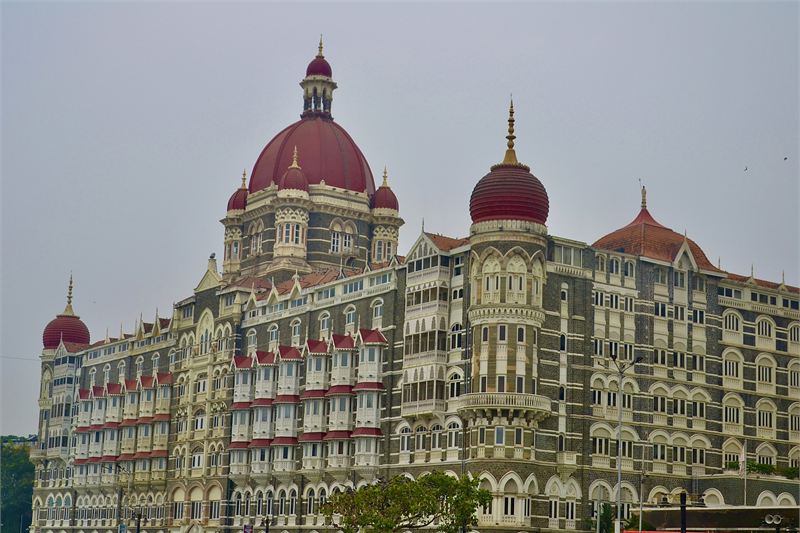
Opened in 1903 and probably the most recognisable building in Mumbai after the Gateway it faces. There are two parts and the difference matters more than the booking pages suggest. The Palace wing is the original 1903 building with the dome, the cantilevered staircase and rooms of varying and often irregular shape. The Tower wing went up in the 1970s and is a conventional modern high-rise.
They are sold as the same hotel and they are not the same experience. Tower rooms are usually the cheaper number you see quoted, and guests regularly report booking what they thought was the historic hotel and arriving in a 1970s room. If the building is the reason you are going, book the Palace wing explicitly and confirm it.
Location is the strongest argument here. You walk out of the door into the part of Mumbai worth walking around. The Gateway is across the road, the Colaba Causeway shops are five minutes on foot, and the Prince of Wales museum and the Fort buildings are within twenty.
Against that, Apollo Bunder is busy and loud from early morning, security screening on entry is thorough and adds time every single time you come back, and the hotel is a working landmark full of day visitors, wedding parties and people photographing the staircase. Quiet it is not.
| Indicative rate | Around Rs 28,000 upward for Tower rooms, noticeably more for Palace wing and sea-facing |
|---|---|
| Rates checked | July 2026 |
| Opened | 1903, with a separate Tower wing added in the 1970s |
| On foot | Gateway of India across the road, Colaba Causeway 5 minutes |
| Book carefully | Palace wing and Tower wing are very different rooms |
| Best for | A first trip to Mumbai where you want to walk everywhere |
In its favour
- The best walking location of the three by a wide margin
- Palace wing rooms are genuinely historic and no two are quite alike
- You are next to the Gateway without needing to plan a trip to it
Worth knowing first
- Tower wing is sold under the same famous name and is an ordinary 1970s hotel
- Security screening on every entry, which is reassuring but slow
- Constant footfall from non-residents, so it never feels like a retreat
The Oberoi Mumbai
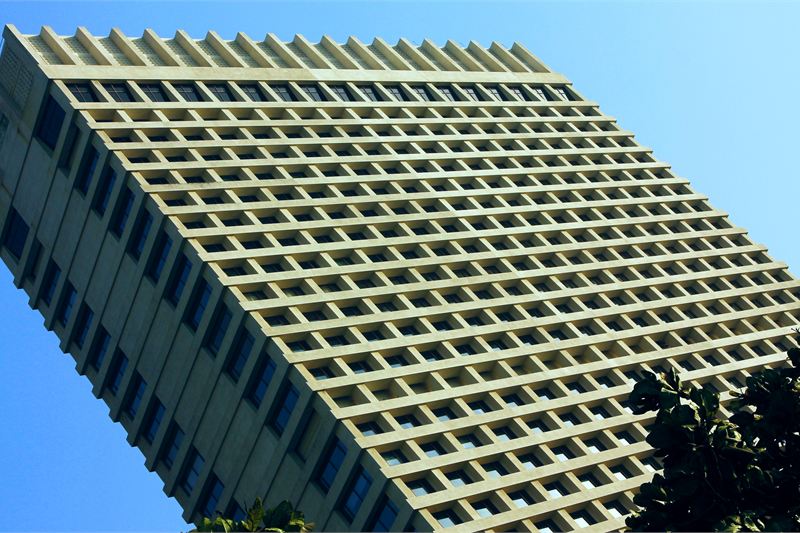
The Oberoi and the Trident share a site at Nariman Point and are frequently confused, including by people who have booked one of them. They are separate hotels with separate entrances, separate lobbies and a substantial difference in price.
The Oberoi is the higher of the two. Rooms are large, the fit-out is contemporary rather than heritage, and the sea-facing rooms look straight down Marine Drive. At night that view, the curve of lights along the bay, is the single best thing about staying at this end of town.
The catch is what is around it. Nariman Point empties out in the evening. It is an office district and once the towers switch off there is very little to walk to. You will be taking a car to dinner most nights, and the drive to Colaba takes fifteen minutes at nine in the evening and considerably longer at six.
| Indicative rate | Around Rs 26,000 upward, with a clear premium for sea-facing |
|---|---|
| Rates checked | July 2026 |
| Style | Contemporary, not heritage |
| The view | Marine Drive and the bay, best after dark |
| Evenings | Business district, quiet, little within walking distance |
| Best for | Business trips, and anyone who wants the Marine Drive view |
In its favour
- Rooms are larger than the Taj equivalents at similar money
- The Marine Drive view at night is the best in the city
- Quiet at the end of the day, which Colaba is not
Worth knowing first
- Nothing to walk to after office hours
- Easily mixed up with the Trident next door when booking
- City-facing rooms cost nearly as much and lose the entire point
Trident Nariman Point
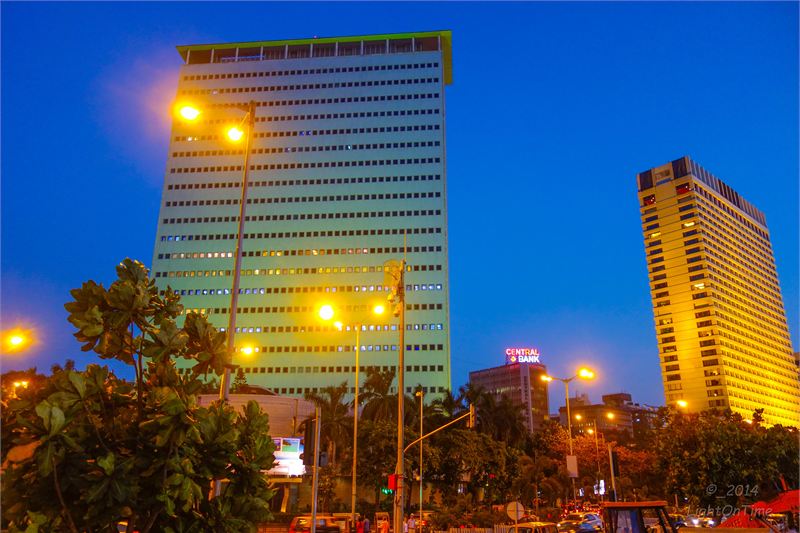
The Trident is the sensible answer on this page and it is the one I would book. It is the same location, the same bay, the same sunset, and it starts at roughly Rs 16,000 against Rs 26,000 next door.
What you give up is room size, the newest fit-out and some of the service ratio. Rooms are comfortable and unremarkable. Nobody will be impressed that you stayed at the Trident.
What you keep is the view, and the view is most of what the Oberoi is charging for. A sea-facing room at the Trident looks at the same curve of Marine Drive from a few floors lower. For a three-night stay the difference funds a very good dinner every night with money to spare.
Same evening problem as its neighbour, since it is the same street.
| Indicative rate | Around Rs 16,000 upward, sea-facing a modest premium |
|---|---|
| Rates checked | July 2026 |
| Relationship to The Oberoi | Shares the site, separate hotel and entrance |
| Rooms | Smaller and plainer than next door |
| Best for | Getting the Nariman Point view without the Oberoi bill |
In its favour
- Roughly Rs 10,000 a night cheaper than its neighbour for the same outlook
- Sea-facing rooms are the best value view in south Mumbai
- Perfectly good rooms, just not memorable ones
Worth knowing first
- Same dead-after-dark district as The Oberoi
- Rooms are dated in places, which is why it costs less
Picking between them
First visit to Mumbai, and you want to walk: the Taj, Palace wing, and pay the difference. You are here for meetings and want a quiet evening and a good view: Trident, sea-facing. The Oberoi makes sense mainly if someone else is paying or you specifically want the larger room.
The one combination to avoid is a city-facing room at Nariman Point. You are paying the location premium and looking at an office block.
Practical notes
- Chhatrapati Shivaji Maharaj International airport is 25 to 30 km north of both areas. In peak traffic that is comfortably over 90 minutes. Do not book a tight flight.
- The Colaba and Nariman Point drive is short in distance and unpredictable in time.
- Monsoon runs roughly June to September. Rates fall and the sea view is often grey, which some people prefer.
- Confirm the wing at the Taj and the hotel name at Nariman Point in writing. Both are common booking mistakes.